

Maintaining a nutritious diet is essential for overall health and well-being. However, the misconception that eating healthy is expensive often discourage individuals from making positive dietary changes. The good news is that it’s entirely possible to prioritize nutrition without draining your wallet . In this blog post, we’ll explore practical tips and strategies for healthy eating on a budget, allowing you to nourish your body while being mindful of your finances. 😀
1. Plan Your Meals:
Meal planning is a fundamental aspect of eating healthily on a budget. By dedicating some time to plan your meals for the week, you can minimize food waste, make strategic grocery lists, and avoid impulsive purchases. Considering the following steps :-
A- Take inventory: Start by evaluating what ingredients you already have at home. This will help you use them efficiently and avoid buying unnecessary duplicates.

B- Set a budget: Determine how much you can allocate to your grocery expenses. Having a budget in mind will guide your choices and prevent overspending.

C- Don’t Cook in bulk: Preparing larger quantities of meals allows for leftovers, which can be repurposed for future lunches or dinners, saving both time and money.
2. Shop Smartly: Being a clever shopper can significantly impact your grocery bill. Implement these strategies when navigating the supermarket passageway:-

A- “Create a list and stick to it”: Before heading to the store, make a detailed list of the items you need. Avoid spontaneous purchases that may not align with your budget or nutritional goals.
B- “Compare prices”: Take the time to compare prices across different brands and sizes. Generic or store brands often offer similar quality at a lower cost.

C- “Buy in bulk”: Consider purchasing staple items, such as rice, beans, or grains, in bulk. Buying in larger quantities can lead to significant savings over time.
3. Minimize Food Waste: Reducing food waste not only benefits the environment but also helps stretch your food budget. Consider these tips:
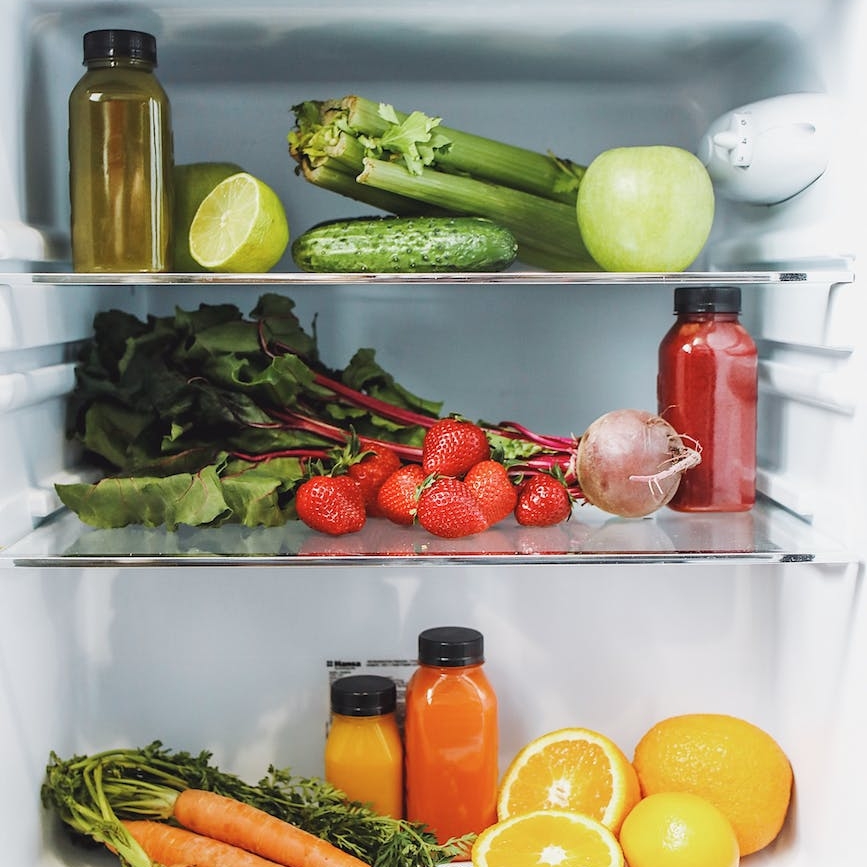
A- “Proper storage”: Learn how to store different types of food properly to extend their shelf life. This includes refrigerating perishables promptly and utilizing airtight containers.
In conclusion, categorizing a nutritious diet doesn’t have to drain your wallet. We hope these tips have inspired you to take charge of your health without compromising your financial goals. Cheers to a balanced and affordable approach to eating well!”
Feel free to ask any question related to health & fitness ❤
 HealthJourneys